Quashes transfer of ArcelorMittal cases from Ahmedabad to Mumbai; cautions against “bench hunting” and undue pressure on tribunals.
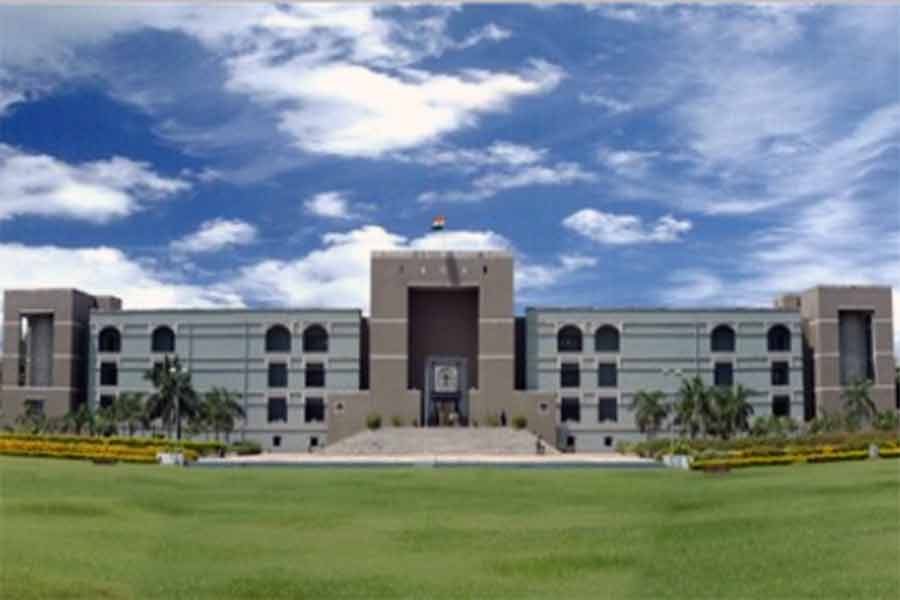
Gujarat High Court.
In a significant judgment reinforcing judicial discipline and the limits of administrative powers within the National Company Law Tribunal (NCLT), the Gujarat High Court has held that the NCLT President cannot alter or extend the territorial jurisdiction of any NCLT Bench.
Justice Niral R Mehta, delivering the ruling on October 16, quashed the transfer of Essar Steel-related matters (now ArcelorMittal Nippon Steel India Ltd.) from the Ahmedabad Bench to the Mumbai Bench, calling the transfer “legally unsustainable.”
No power to move cases across jurisdictions
The Court clarified that the NCLT President’s authority under Rule 16(d) of the NCLT Rules, 2016 only allows transfers within the same territorial jurisdiction, and does not extend to moving cases from one Bench’s jurisdiction to another.
“The President of the NCLT has no administrative power to alter or extend the territorial jurisdiction of any Bench,” Justice Mehta said, emphasizing that the transfer from Ahmedabad to Mumbai was made without jurisdiction.
The petitions were filed by ArcelorMittal Nippon Steel India Ltd. (formerly Essar Steel India Ltd.), challenging multiple NCLT orders—both recusal and transfer—passed earlier this year.
READ: Law Minister Calls for Reconsideration of Section 34 of Arbitration Act to Address Pendency of Cases
Background: Recusal and transfer controversy
Two NCLT Benches at Ahmedabad had recused themselves from hearing ArcelorMittal-related cases following alleged misconduct by certain lawyers. After these recusals, the NCLT, Delhi (on the administrative side), transferred the matters to the Mumbai Bench.
ArcelorMittal challenged this move, calling it an example of “bench hunting” and “forum shopping.”
The High Court agreed, setting aside all five impugned orders, and directed the NCLT President to re-allot the cases to any Bench at Ahmedabad or constitute a virtual Bench to ensure speedy hearing.
Administrative overreach
The Court found that the NCLT’s administrative order from Delhi directly interfered with pending judicial proceedings, as transfer applications were already being heard judicially before the NCLT itself.
“Such an administrative decision directly affecting pending judicial proceedings is, therefore, subject to judicial review,” the Court held.
READ: Supreme Court Declares Housing a Fundamental Right, Tightens Rules for New Projects
Recusals under pressure condemned
Justice Mehta also took a stern view of the manner in which the Ahmedabad Benches recused themselves. He noted that one Bench’s recusal in January 2024 followed an email from a lawyer, and another Bench in April 2024 stepped aside after alleged intimidation by the same counsel.
Calling this trend “deeply concerning,” the judge said tribunals must not withdraw merely due to the conduct of litigants or lawyers.
“If Courts and Tribunals begin to succumb to pressure or intimidation, it would only embolden those who seek to manipulate judicial proceedings,” Justice Mehta observed.
“Judicial magnanimity should never be mistaken for weakness. Instead of recusing, the proper course would be to take firm and lawful action against misconduct.”
The Court struck down the recusal orders, stressing that tribunal members can withdraw from a case only in situations expressly provided under Rule 62 of the NCLT Rules.
READ: Supreme Court Clarifies Distinction Between Murder and Attempt to Murder: Why the Ruling Matters
Final directions
The Gujarat High Court’s ruling confines itself to questions of law, leaving all factual disputes to be decided by the NCLT in accordance with due process.
Senior Advocate Mihir Joshi led the arguments for ArcelorMittal, assisted by Advocates Keyur Gandhi, Raheel Patel, Isa Hakim, and Aradhana Jain (Gandhi Law Associates).
Advocate PY Divyeshvar represented the NCLT on its administrative side, while Advocates Kshitij Amin and Deepak Khosla with Jaydeep Shukla appeared for other respondents.
The Gujarat High Court has reaffirmed that the NCLT President cannot move cases beyond a Bench’s territorial jurisdiction, warning against administrative overreach and improper recusals. The decision restores the ArcelorMittal matters to Ahmedabad, reinforcing the principles of judicial independence and territorial discipline within the NCLT system.