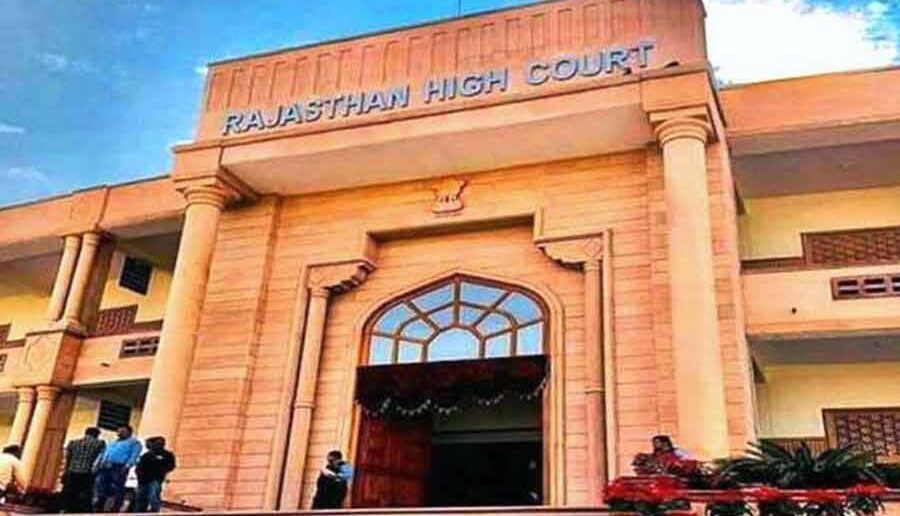
Rajasthan High Court.
Rajasthan High Court News: In a startling development, the Rajasthan High Court has flagged the possibility that a judicial officer may have fabricated court records in order to deny default bail to a juvenile accused in a gang-rape case.
Justice Farjand Ali, hearing a revision plea, observed that the matter “transcends the boundaries of judicial error” and raises disturbing concerns about possible fabrication of official records.
Chronology Under Cloud: Dates Don’t Add Up
The case involved a minor booked under provisions of the Bharatiya Nyaya Sanhita and the POCSO Act. Under Section 187(2) of the Bharatiya Nagarik Suraksha Sanhita (BNSS), failure to file a chargesheet within 90 days in serious offences grants the accused an indefeasible right to default bail.
The 90-day period expired on November 21, 2025. The Juvenile Justice Board denied bail, claiming the chargesheet had been filed within time.
However, the High Court found no judicial order-sheet entry recording such filing on November 21. Instead, it discovered an endorsement on the reverse of the chargesheet, allegedly made by the magistrate himself, without supporting documentation.
READ: Oudh Bar Writes to CJI Over Supreme Court’s Remarks Against Allahabad HC Judges
‘Order Cannot Precede Event’: Court Flags Ante-Dating

Justice Farjand Ali, Rajasthan High Court.
The High Court further noted glaring inconsistencies: an order sheet dated November 24 recorded rejection of a bail plea that was, in fact, filed only on November 28 and dismissed on November 29.
“A judicial order cannot precede the very event which gives rise to it,” the Court observed, suggesting the possibility that the November 24 order-sheet may have been ante-dated.
When the magistrate later claimed it was a typographical error, the High Court refused to accept the explanation, stating that the issue involved substantive judicial proceedings—not minor clerical lapses.
READ: Lawyers Push Back: Allahabad HC Bar Fights Plan to Make Courts Work Two Saturdays a Month
Matter Referred to Chief Justice
Finding the explanation unsatisfactory, the High Court directed that the matter be placed before the Chief Justice for consideration of further action.
The Court remarked that if documents were created retrospectively to justify denial of bail, it could amount to fabrication of a false document under penal law—an issue of grave concern.
On the merits, the Court ordered the release of the juvenile, observing that the sequence of events gave rise to serious apprehension that the statutory right to default bail had been defeated through questionable record entries.
READ: Family Court Judge Moves Supreme Court Over Delhi High Court’s Personal Criticism