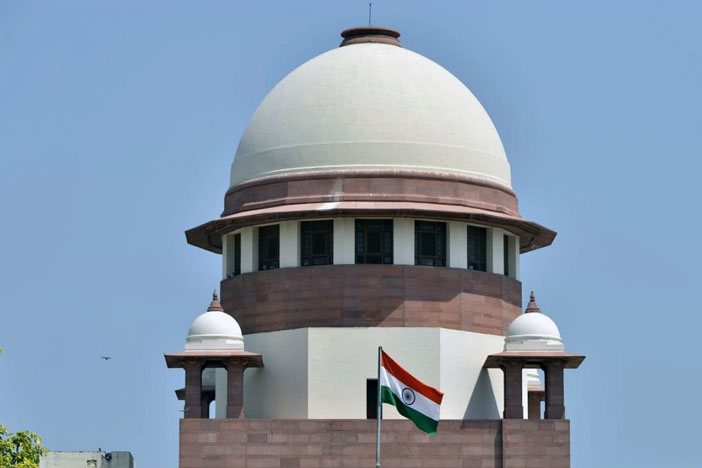
Supreme Court of India.
Mumbai New Coastal Road News: Mumbai is getting a massive new green space along its shiny new Coastal Road, and the legal hurdles keeping it from reality have just been cleared. The Supreme Court of India gave the go-ahead for a major project that will turn reclaimed coastal land into parks, promenades, and cycling tracks.
The project will be developed and maintained by Reliance Industries under its Corporate Social Responsibility (CSR) initiative. However, because this involves premium oceanfront land in a crowded city, the project faced intense scrutiny over whether the public would actually get to enjoy it for free.
With the latest court ruling, the project is officially moving forward—but with some very strict rules attached.
The 15% Rule: Keeping the Park Public
The biggest worry for citizens and activists was that a massive corporation taking over public land might lead to “commercialization”—meaning the area could turn into a series of expensive, ticketed attractions that regular everyday citizens couldn’t afford.
To address this, the Supreme Court locked in a crucial promise: no more than 15 percent of the total area can be used for things that require a ticket or restricted access.
The remaining 85 percent of the space must remain completely free and open to the general public. The court emphasized that the area must be accessible for everyone’s free use, even while ensuring it is maintained to the highest possible global standards.
Why Was the Project Stuck?
Back in 2025, the Brihanmumbai Municipal Corporation (BMC) chose Reliance to handle the landscaping and long-term upkeep of the Coastal Road’s open spaces. This decision was quickly challenged by a Public Interest Litigation (PIL) lawsuit. Activists worried the land would be leased out or turned into a private commercial hub.
In January 2026, the Supreme Court dismissed those fears, ruling that building parks, gardens, and cycling tracks was essential for Mumbai’s urban development and environment. The court explicitly banned any residential or commercial building for sale or lease.
However, when Reliance went back to the BMC with a revised design plan, a city landscaping committee hesitated. They weren’t sure if some of the proposed recreational features needed a fresh stamp of approval from the highest court. The project ground to a halt due to bureaucratic caution.
READ: Court Rules Against Flipkart Founders: Inside the ED’s Investigation into WS Retail
The Green Light from New Delhi
Seeing the project stalled over paperwork, the Supreme Court stepped in on June 11, 2026, to clear up the confusion. A two-judge bench pointed out that the project was stuck simply because local authorities were waiting for a “so-called approval” that wasn’t actually holding things up.
The judges directed the BMC to stop waiting and properly evaluate Reliance’s master layout plan. As long as the plans don’t violate the original rules set in January—meaning no selling off land, keeping it high-quality, and capping ticketed zones at 15 percent—the city has the full authority to greenlight construction.
With this final legal clearance, the ball is now back in the BMC’s court to review the final designs and finally bring Mumbai’s newest, highly anticipated seaside park to life.
Don’t Miss: High Court Reins in Prayagraj Police Commissionerate After Patterns of Illegal Detentions Exposed
Don’t Miss: Unopposed Victory and Constitutional Bars: The Legal Drama Behind Natarajan’s Exit From Rajya Sabha Race