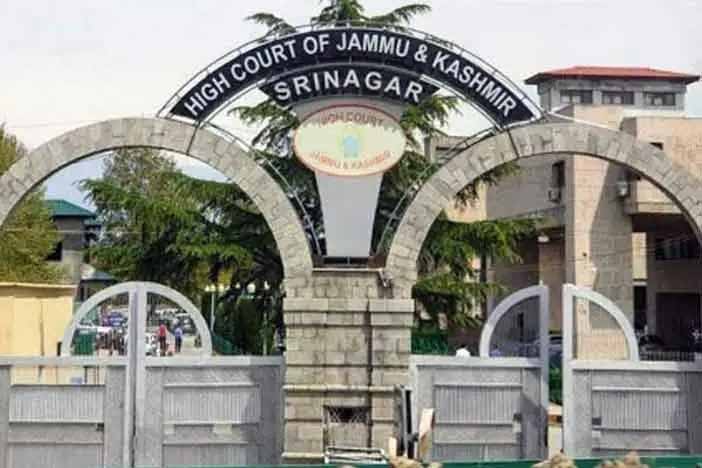
Jammu & Kashmir High Court.
The Jammu & Kashmir and Ladakh High Court has stepped into a long-running debate over the rehabilitation of Kashmiri Pandits. The court has formally asked the Union Territory (UT) administration to respond to a new lawsuit. This lawsuit demands that land be set aside in Srinagar to build a dedicated housing colony for Kashmiri Pandits who were forced to leave their homes in the 1990s.
The order, issued by Justice Shahzad Azeem, breathes new life into a series of government promises that date back nearly two decades. At the heart of the case is a simple question: When will the official plans to resettle this displaced community actually become reality?
The 2009 Promise
To understand why this is happening now, we have to look back to 2009. That year, a Parliamentary Standing Committee on Home Affairs released its 137th report, which recommended a clear plan to help Kashmiri Pandits safely reintegrate into the Kashmir Valley.
Following those recommendations, the Jammu & Kashmir State Cabinet approved a massive rehabilitation package worth ₹1,618.40 crore (roughly $195 million USD). The state’s Chief Secretary even went before the Supreme Court of India to officially commit to this plan. In response, the Supreme Court closed the matter, expressing its strong hope that the government would do everything necessary to help the victims of terrorism rebuild their lives.
Yet, according to the group that filed the lawsuit—the Displaced Kashmiri Residents Housing Cooperative Society—those big promises were never fully put into action.
READ: Purely Optional: Supreme Court Holds Absence of Will Registration Cannot Cast Suspicion on Validity
The Search for Land
Fast forward to 2024. The local government invited private companies and organizations to pitch ideas for building new housing colonies under a public-private-partnership model.
Seeing an opportunity, the Cooperative Society submitted an official proposal in September 2024. Their goal was to secure a dedicated piece of land in Srinagar specifically for families displaced during the 1990 exodus.
However, despite sending multiple reminders and official requests to various government departments since January 2025, the Society claims they received no clear answers or administrative support. Feeling ignored, they decided to take the matter to court.
What Happens Next?
Lawyers Satya Anand Sabharwal, Sikander Hyaat, and Numan Zargar, who are representing the displaced residents, argue that the government is legally obligated to fulfill the commitments made to the Supreme Court in 2009.
By demanding a formal reply from the UT administration, the High Court is forcing local authorities to explain the delay. The administration’s upcoming response will likely determine whether Kashmiri Pandits will finally get the dedicated colony they have been asking for, or if the wait for home will continue.
Don’t Miss: Consumer Affairs Tightens Legal Metrology Rules: Edible Oil Brands Get 3 Months to Standardize Packaging
Don’t Miss: Pay from Salary: Allahabad High Court’s Landmark Crackdown on Illegal Jailing under BNSS