SCBA Seeks Criminal Contempt Action Against Wagle, Raut Over Statements on Supreme Court Chief.
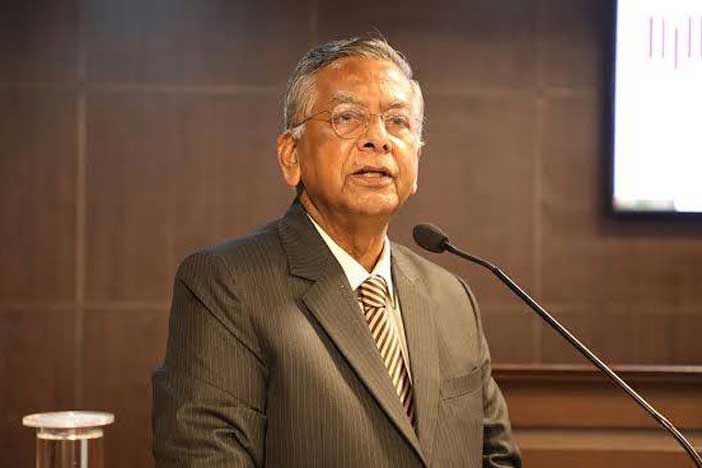
R Venkatramani, Attorney General of India.
Attorney General for India R Venkataramani has granted consent for criminal contempt proceedings initiated by the Supreme Court Bar Association (SCBA) against journalist Nikhil Wagle and Shiv Sena (UBT) Rajya Sabha MP Sanjay Raut over their public statements concerning Chief Justice of India (CJI) Surya Kant.
The consent was granted on 15 October 2026, the same day the SCBA filed its petition, under Section 15(1)(b) of the Contempt of Courts Act, 1971. The Attorney General said the statements attributed to Wagle and Raut were, prima facie, scandalous and appeared intended to lower the esteem of the Supreme Court and its Chief Justice.
The case follows public criticism of CJI Kant after he declined a request from a delegation of opposition parties to meet him personally, indicating that the parties could approach the court through a petition instead.
Wagle subsequently published an abusive post about the Chief Justice on X, formerly Twitter, while Raut made remarks alleging that judges had attended political events involving the Bharatiya Janata Party (BJP) and that chief ministers had hosted dinners for members of the higher judiciary.
The SCBA has argued that the statements went beyond legitimate criticism of the judiciary. It has also asked the Supreme Court to direct social media platforms and other organisations to preserve relevant posts, videos and account records.
Meanwhile, Wagle has deleted his post and tendered an unconditional apology to the CJI and the Supreme Court. He has requested that the Attorney General not pursue the matter further.
Why has the Attorney General granted consent?
The Attorney General’s consent is an important procedural step in initiating criminal contempt proceedings at the instance of a private individual or body.
Under Section 15 of the Contempt of Courts Act, 1971, the Supreme Court and High Courts have powers to initiate criminal contempt proceedings through specified procedures. When a private person seeks to initiate such proceedings, the law generally requires the written consent of the Attorney General in the Supreme Court or the relevant Advocate General in a High Court, subject to the applicable statutory provisions.
The requirement serves as a procedural safeguard. It helps ensure that allegations of criminal contempt are assessed before a private complaint is brought before the court.
In this case, the SCBA filed its petition on 15 October, seeking action against Wagle and Raut. Venkataramani granted consent the same day.
In his letter, the Attorney General said the statements attributed to the two respondents were, in his considered view, prima facie scandalous and appeared intended to diminish the standing of the Supreme Court, particularly that of the Chief Justice.
He described Wagle’s post as abusive and said it was not a statement that a reasonable person would make for public consumption.
Regarding Raut’s remarks, the Attorney General said the allegations about judges attending BJP political programmes and chief ministers hosting dinners for judges were not supported by facts.
However, granting consent does not amount to a finding of guilt. It allows the matter to proceed through the relevant legal process, while the court retains the responsibility to assess the allegations and decide whether contempt has been committed.
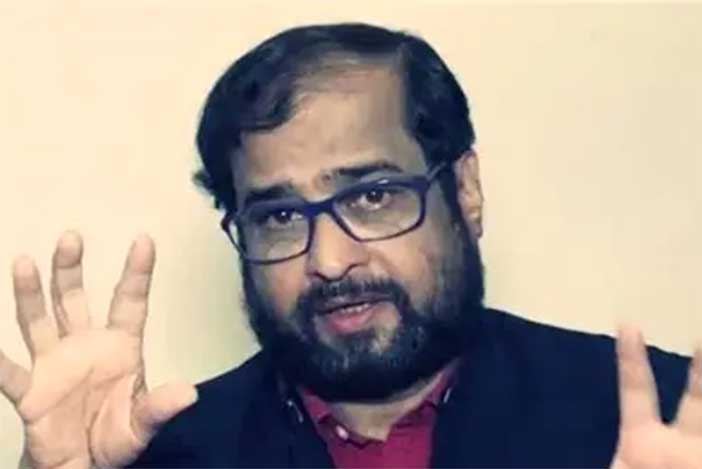
Nikhil Wagle.
What did Nikhil Wagle post about the Chief Justice?
According to the SCBA petition, Wagle published an abusive message on X in response to a report by _The Hindu_ concerning CJI Kant’s decision to decline a personal meeting with opposition leaders.
The post contained the words “**** you CJI!”
The petitioners have argued that the language was not simply criticism of a judicial decision but an abusive personal attack on the head of the country’s judiciary.
The Attorney General also took a strong view of the post, describing it as abusive and inappropriate for public consumption.
Wagle subsequently deleted the post and shared a letter addressed to the Attorney General on X. In the letter, he tendered an unconditional apology to the Chief Justice and the Supreme Court and requested that the matter not be pursued further.
The apology could become relevant to how the matter proceeds, but it does not automatically terminate the legal process. Any decision on further action will depend on the applicable law and the steps taken by the relevant authorities and the court.
The development also illustrates the distinction between criticism of a judicial decision and the use of abusive language directed at a judge. Whether particular words cross the legal threshold for criminal contempt depends on the circumstances and the applicable legal standards.
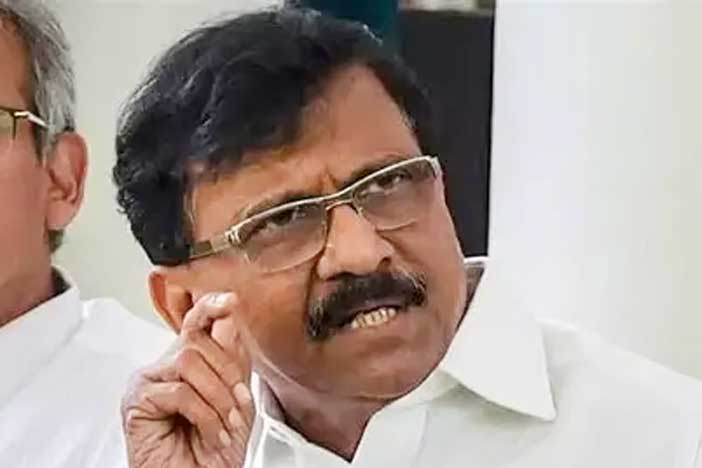
Sanjay Raut, Shiv Sena (UBT).
What did Sanjay Raut say about judges and political events?
The SCBA’s complaint against Raut concerns remarks he made to the media, which were carried by the news agency IANS on X on 12 October.
Raut was quoted as saying that judges had attended political programmes organised by the BJP in states where it was in power, while chief ministers had hosted dinners to welcome High Court and Supreme Court judges.
He also referred to photographs showing judges playing badminton with political figures in London.
The SCBA has challenged the factual basis of these remarks, arguing that they could undermine public confidence in the Supreme Court and diminish its authority.
The petition relies on an order issued by the Delhi High Court on 19 June 2026 concerning photographs that had circulated as images of a badminton event in London.
According to the petition, the High Court found that the photographs were actually from an event held at Thyagaraj Stadium in New Delhi in November 2025 and directed that the content be taken down.
The SCBA has argued that this order was already available before Raut made his statements and that the facts should have been verified.
The Attorney General similarly said that the allegations about judges attending BJP programmes and chief ministers hosting dinners were not based on facts. He also noted that the Delhi High Court order concerning the photographs predated Raut’s remarks.
The issue before the court, however, is not simply whether a statement was factually incorrect. The contempt proceedings would require consideration of whether the statements meet the legal threshold for criminal contempt and whether further action is warranted.
What is the SCBA seeking from the Supreme Court?
The Supreme Court Bar Association has asked the court to take action against Wagle and Raut over what it describes as statements capable of scandalising the judiciary.
The association has also sought directions requiring X Corp, Meta, Google and IANS to preserve relevant social media posts, videos and account records.
Preservation requests are intended to prevent potentially relevant material from being deleted or lost while legal proceedings are being considered. Such a request does not, by itself, establish that any party has violated the law.
The SCBA has further sought an interim restraint on Wagle and Raut making similar allegations against the CJI and other Supreme Court judges while the case remains pending.
The court would have to consider the scope and legal basis of any such restrictions, including their implications for freedom of expression and legitimate public criticism.
Importantly, the SCBA has stated that it does not seek to prevent fair and temperate criticism of the judiciary.
Its position is that the language and allegations used by the respondents went beyond acceptable criticism and were capable of lowering the authority of the court.
This distinction is central to the dispute. Judicial institutions can be criticised, and judicial decisions can be questioned, but allegations of contempt arise when conduct is alleged to cross the limits established by law.
What does criminal contempt mean under Indian law?
Criminal contempt is defined under Section 2(c) of the Contempt of Courts Act, 1971. Broadly, it covers publications or acts that scandalise or tend to scandalise a court, prejudice or interfere with judicial proceedings, or obstruct or tend to obstruct the administration of justice in other ways.
The law does not make every critical comment about a judge or court an offence. Courts must consider the content, context and likely effect of the conduct in question.
For example, a reasoned disagreement with a judgment is different from an abusive personal attack. Similarly, an allegation about judicial conduct may raise different legal questions depending on its factual basis, the manner in which it is expressed and its potential effect on the administration of justice.
The SCBA contends that Wagle’s language and Raut’s allegations cross the line between legitimate criticism and conduct capable of scandalising the Supreme Court.
The Attorney General’s consent indicates that he considers the allegations sufficiently serious to permit the matter to proceed. It does not settle the legal question or replace the court’s assessment of the evidence and arguments.
The Supreme Court will ultimately have to determine whether the alleged conduct amounts to criminal contempt if the proceedings advance to that stage.
How could Wagle’s apology affect the case?
Wagle’s unconditional apology introduces an additional consideration into the proceedings.
He has stated that he deleted the post and apologised to the CJI and the Supreme Court. He has also asked the Attorney General not to pursue the matter.
An apology may be considered by a court when assessing the circumstances of an alleged contempt, including whether it is genuine and whether it warrants any bearing on the eventual outcome.
However, an apology does not automatically erase the original statement or bring proceedings to an end. The decision to continue, discontinue or otherwise resolve a contempt matter rests with the relevant legal authorities and, where proceedings are before it, the court.
The SCBA’s complaint also concerns Raut’s separate remarks, so Wagle’s apology does not resolve the allegations against the other respondent.
The position of both respondents and any subsequent submissions will be relevant as the case develops.
READ: Adroit Industries Launches ₹150 Crore IPO With Vidhigya Associates as Legal Counsel
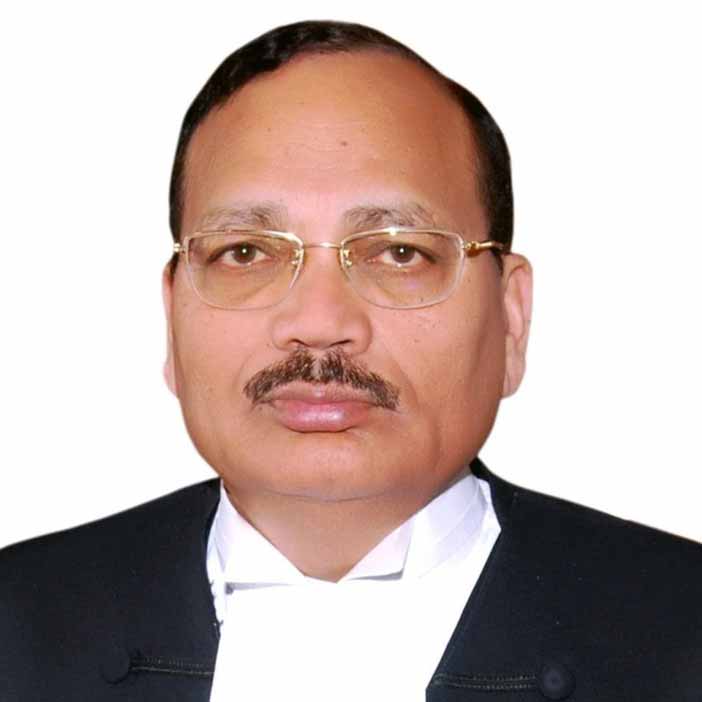
Suryakant, Chief Justice of India.
The broader debate over judicial independence and free speech
The case highlights a continuing tension in democratic societies: how to protect the independence and authority of the judiciary while preserving the right to criticise public institutions.
Judges and courts are subject to public scrutiny, and discussion of judicial decisions is an important part of democratic debate. At the same time, allegations that judges have acted improperly can affect public confidence, particularly when they concern the impartiality of courts.
The legal challenge is to distinguish legitimate criticism, including robust disagreement, from conduct that crosses the threshold for contempt.
The SCBA’s petition argues that abusive language and allegations unsupported by the available record should not be treated as ordinary political commentary. Wagle’s apology and the dispute over the factual basis of Raut’s remarks add separate dimensions to the case.
The outcome will depend on the legal arguments, the relevant evidence and the court’s assessment of the statutory requirements.
For now, the Attorney General’s consent represents a procedural development rather than a final determination of the allegations. The case will test how the legal system addresses public statements directed at the country’s highest judicial institution while maintaining the distinction between contempt and legitimate criticism.
Also Read: Delhi Sessions Court Sets Aside Trial Court’s Order in Sonia Gandhi Electoral Roll Controversy
Don’t Miss: UP Tenancy Act 2021: Allahabad High Court Strikes Down Key Provisions