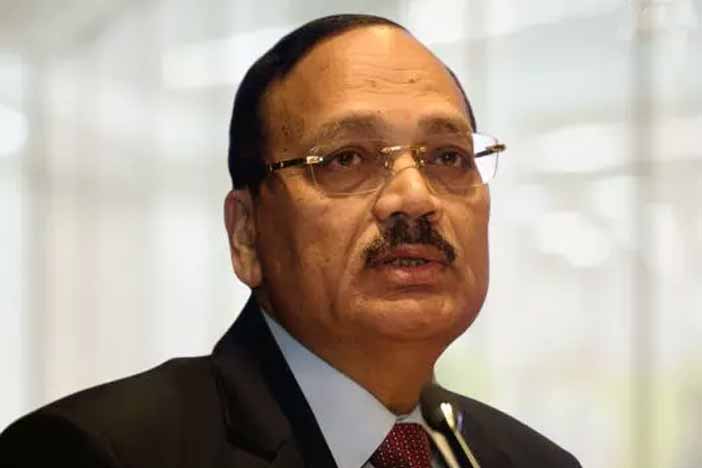
Justice Surya Kant.
Supreme Court’s New Rules for Mentioning, Adjournment and Urgent Listing: New Delhi, India – November 2025 – In a significant move to streamline the judicial process, the Supreme Court of India has announced a set of new procedural rules has come into effect on Monday, December 1, 2025. These rules aim to overhaul the procedures for urgent case listings, adjournment requests, and the oral mentioning of matters before the Court, bringing greater transparency, consistency, and predictability to the system.
The reforms, introduced shortly after Justice Surya Kant took over as Chief Justice of India, are seen as a major step towards reducing unregulated mentions before benches and ensuring timely hearings, especially in cases involving personal liberty. The four circulars issued by the Court are designed to make the process more efficient and less susceptible to manipulation, while also ensuring that urgent matters receive prompt attention.
READ: Punjab and Haryana High Court seeks response from judge accused of granting bail to relative
Key Changes: Restricting Mentions, Automatic Listings, and Adjournment Overhaul
No Mentions for Senior Advocates
One of the most notable changes is the restriction on oral mentions. Senior Advocates will no longer be allowed to mention cases before any bench, a practice that has long been criticized for creating an unlevel playing field and contributing to delays in the judicial process. Instead, the Court encourages junior counsel to take up the responsibility of seeking urgent listings, which is expected to promote fairness and efficiency.
This move aims to curb the practice of senior counsel leveraging their position to bypass the regular listing process. While this reform has received mixed reactions, many see it as a way to democratize access to urgent listings and ensure that all advocates, regardless of seniority, are held to the same procedural standards.
Automatic Listing for Liberty and Urgent Matters
Another major change is the introduction of automatic listing for certain categories of urgent matters. Starting Monday, petitions related to personal liberty, such as bail applications, anticipatory bail, habeas corpus petitions, death penalty relief, and urgent interim orders, will be automatically listed within two working days after the petition is filed, without the need for a mention.
This automatic listing is expected to significantly reduce delays in cases where the rights and freedoms of individuals are at stake. Previously, advocates often had to “compete” for a slot to mention such matters, which could result in delays and even harm to the individuals involved. The Court’s new approach is seen as a step toward ensuring that urgent liberty matters are heard without unnecessary postponements.
Advance Service Requirement in Bail Matters
As part of the reforms, mandatory advance service has been introduced for all bail-related matters. Upon filing a bail petition, the advocate-on-record must immediately serve an advance copy of the petition to the Nodal Officer or Standing Counsel of the concerned State or Union Territory, or the Union Government. The advocate must also file proof of this service in the Registry. Without this proof, the petition will not be verified or listed for hearing.
This change is intended to ensure that government counsel is given adequate time to prepare and represent their interests, improving the overall fairness and efficiency of the process.
READ: Law Minister Calls for Reconsideration of Section 34 of Arbitration Act to Address Pendency of Cases
Structured Process for Early Listings
For cases that do not fall under the automatic listing system, the Court has introduced a more structured process for seeking early hearings. Litigants must submit a mentioning proforma and a detailed urgency letter by 3:00 p.m. on the previous working day (or 11:30 a.m. on Saturdays) if they wish to request early listing. The mentioning officer will verify the urgency of the matter and place it before the Registrar (Judicial Listing) for directions from the Chief Justice of India.
In cases of exceptional urgency, such as anticipatory bail or death penalty-related matters, the urgency letter can be submitted before 10:30 a.m. to ensure quicker action.
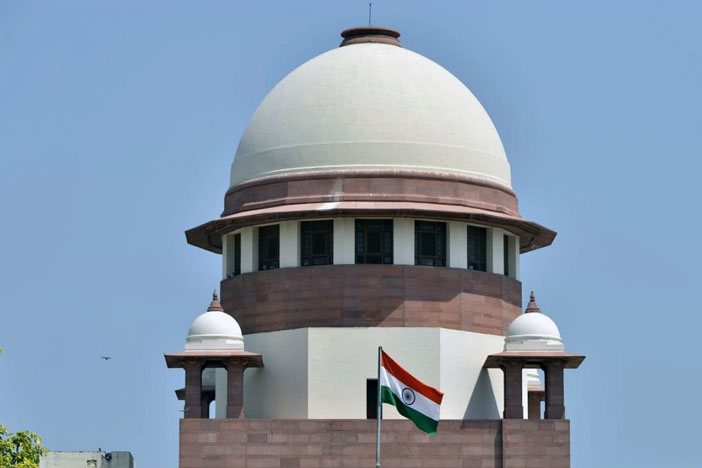
Supreme Court of India.
READ: Supreme Court Expresses Disappointment Over 8.8 Lakh Pending Execution Petitions Across India
New Adjournment Procedure
The Court has also introduced changes to the adjournment process. From now on, adjournment requests will require prior consent from the opposing counsel or caveator, and they will only be granted for genuine reasons such as bereavement, medical emergencies, or other unavoidable circumstances.
Adjournment requests must be submitted by 11:00 a.m. on the previous working day, and the reason for seeking an adjournment must be clearly specified. Additionally, all adjournment requests must be emailed to the Court at [email protected], bringing uniformity to a process that had previously been inconsistent across different benches.
READ: Supreme Court Strips Allahabad High Court Judge Justice Prashant Kumar of Criminal Roster
Impact of the Reforms
The new rules are expected to have a significant impact on the efficiency of the Supreme Court, particularly in cases involving personal liberty, which often require immediate attention. By automating the listing of urgent matters and restricting the practice of oral mentions, the Court hopes to ensure that no matter goes unheard or delayed due to procedural inefficiencies.
The reforms are also aimed at reducing the discretionary power that had previously been exercised by senior advocates to mention cases directly before the bench. This has often led to accusations of bias and unfair advantages, and the move to restrict mentions is expected to create a more level playing field for all litigants.
Reactions to the New Rules
The legal community has generally welcomed the changes, particularly the automatic listing of urgent cases, which is seen as a step in the right direction for protecting personal liberty. Advocates for the reform argue that it will significantly reduce delays in justice, especially for individuals whose rights may be at risk due to the long waiting periods often associated with urgent matters.
However, the restriction on senior counsel mentioning cases has met with some resistance. Some argue that senior advocates, who often handle complex and urgent matters, should still have the flexibility to mention cases when necessary. Others have expressed concerns that junior counsel, while talented, may lack the experience to handle such critical tasks efficiently.
READ: Jharkhand High Court Registers Contempt Case After Lawyer’s Heated Exchange with Judge Goes Viral
A Step Toward Judicial Procedure Reform
The changes set to take effect on December 1 mark a significant overhaul of the Supreme Court’s administrative processes under the leadership of Chief Justice Surya Kant. The new rules aim to ensure more efficient case management, reduce delays, and guarantee that urgent matters, particularly those concerning personal liberty, are heard in a timely manner.
As the legal community prepares for the new system to come into force on Monday, all eyes will be on how these reforms are implemented in practice. The move is part of the broader trend of judicial reforms in India, with the Supreme Court setting an example in terms of procedural transparency, efficiency, and fairness.
With these reforms, the Supreme Court aims not only to improve the speed and efficiency of justice delivery but also to ensure that the rule of law is applied equitably, safeguarding the rights of individuals while maintaining the integrity of the judicial process.
READ: Supreme Court Imposes ₹10 Lakh Cost on Builder’s Agent for Filing FIR to Force Sale of Property